Pipeline and borescope inspection pushes a camera through grit, sludge and occasional impact inside a pipe, and the window in front of that lens is the only optical part standing between the sensor and the mess. Choosing the right window material and coating is the difference between a probe that lasts a shift and one that scratches out on the first job. This comparison walks through the trade-offs when specifying lens-protection windows for pipeline and borescope inspection.
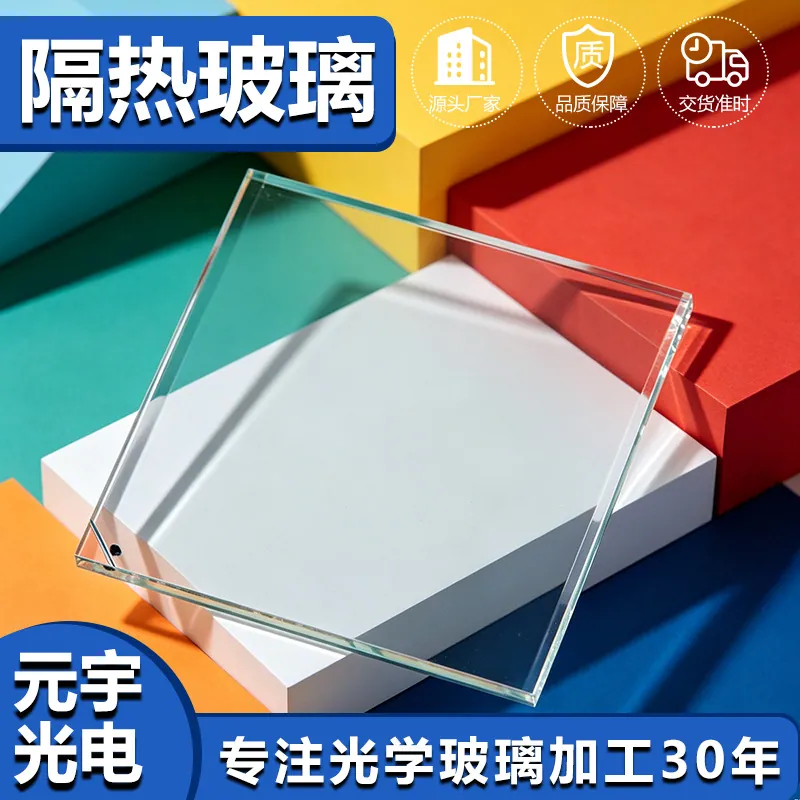
Lens Protection Windows in Pipeline and Borescope Inspection
The window seals and protects the inspection camera as it is dragged through a pipe full of abrasive deposits, water and debris, so it has to stay optically clear and scratch-free long enough to complete the survey. The material has to resist the abrasion and the occasional knock against a flange while keeping the image sharp, because once the window scuffs the whole survey is compromised. The choice is a balance of hardness, clarity and cleanability, not the hardest material alone.
Substrate and material selection
Selection starts from the abrasion and impact the probe will meet, then picks a window hard enough to survive it while staying optically clear across the aperture. Sapphire leads on scratch resistance and impact for the grittiest pipes but costs more and needs careful anti-reflection design; hardened optical glass is cheaper and easier to coat for the lighter-duty surveys. Match the substrate to the worst expected pipe, because an under-specified window scratches out on the first abrasive run.
What drives cost and lead time
Cost and lead time are driven by the window material, the diameter and the coating, and by whether the part is a standard size or a custom probe fit. Sapphire and a custom AR coating lead longer and cost more; a standard glass window with a simple coating ships fast. The dominant cost lever is premature failure from under-specification, so sizing the window to the duty up front is cheaper than a cheap one that scratches out.
The tolerances that actually matter
For a protection window the surface hardness and scratch resistance matter most, because abrasion is what ends the survey, followed by flatness where the window sits in the optical path and would add distortion. Edge integrity matters where the window seats in the probe housing and where a chipped edge becomes a leak or a snag point. The tolerances that matter are the ones tied to survival and to the image, not generic cosmetic limits.
How it compares with the alternatives
Sapphire beats glass on hardness and impact but costs more and needs careful AR design; hardened optical glass is cheaper and easier to coat but scratches sooner in heavy grit. A bare uncoated window saves cost but reflects and scratches faster, while a coated one protects the image and the surface at the price of a coating step. The practical choice is sapphire for the abrasive, high-value surveys and coated glass for the routine, lighter-duty ones.
Requirements specific to Pipeline and Borescope Inspection
Pipe duty makes abrasion and impact survival the headline requirement, so size the window material to the worst pipe the probe will see and protect the edges through the housing seat. Prefer sapphire where grit and value justify it and coated glass for routine surveys, add an AR coating only if surface reflections hurt the image, and qualify the part against a representative drag-and-knock cycle rather than a bench figure. A window that survives the run is cheaper than a cheap one that scratches out.
- Hardness sized to pipe abrasion
- Edge protected at housing seat
- Sapphire for gritty, high-value runs
- Coated glass for routine surveys
- AR coating if reflections hurt image
- Qualified against drag-and-knock
Framework references: surface hardness, flatness and edge-chip limits per ISO 10110, and coating adhesion per the relevant inspection-tool rule set. Environmental declarations such as RoHS are the supplier's to state against the current official text, not to be assumed for a window used in a pipe.
Selection data at a glance
| Parameter | Typical value | Notes |
|---|---|---|
| Material | To abrasion duty | Survive |
| Edge | Protected seat | No leak |
| Coating | AR if needed | Image |
| Flatness | For optical path | Distortion |
| Cost | Glass vs sapphire | Duty |
| Qualify | Drag-and-knock | Field |
Frequently asked questions
Why sapphire for some probes and not all?
Because sapphire's hardness and impact resistance justify the cost only where the pipe is gritty and the survey is high-value; for routine, lighter-duty inspections a coated hardened-glass window is cheaper and optically easier to coat. The material is matched to the worst expected pipe, not specified universally.
Does the window need an anti-reflection coating?
Only if surface reflections are hurting the image, which they often do in a dark pipe with a bright lamp. An AR coating also slightly protects the surface, but it adds cost and a step, so it is added where the reflection or scratch resistance genuinely matters.
What tolerance matters most for survival?
Surface hardness and scratch resistance, because abrasion is what ends the survey, with edge integrity close behind where the window seats in the housing. A chipped or leaking edge fails the probe just as surely as a scuffed optical face.
Need a quotation for lens protection windows?
Send your drawing, target specification or coating requirement and an optical engineer will reply within 24 hours with a price and a lead time.
Request a Quote Email an engineer