Remote-operated vehicles in mines and quarries run cameras through abrasive dust, flying rock and constant vibration, and the lens-protection window in front of each camera is the element that keeps the optics alive long enough to be useful. The choice is between sapphire and hardened glass, between a coated and an uncoated face, and between a sealed window and a wiper or air-knife system, because every option trades cost against the service life of the camera. This comparison weighs those options so an engineer can pick the right lens protection for an off-road, abrasive-duty camera.
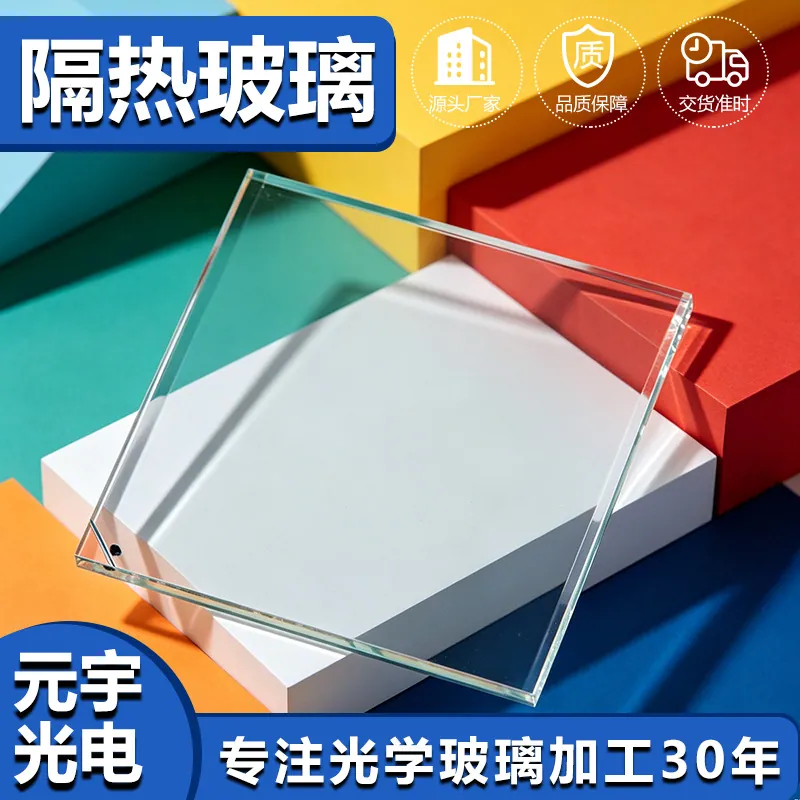
Lens Protection Windows in Mining and Quarry Remote-Operated Vehicles
Remote-operated vehicles in mines and quarries run cameras through abrasive dust, flying rock and constant vibration, and the lens-protection window in front of each camera is the element that keeps the optics alive long enough to be useful. The choice is between sapphire and hardened glass, between a coated and an uncoated face, and between a sealed window and a wiper or air-knife system, because every option trades cost against the service life of the camera. This comparison weighs those options so an engineer can pick the right lens protection for an off-road, abrasive-duty camera.
Substrate and material selection
Sapphire wins where scratch and impact resistance are the limiting failure, because it is markedly harder than glass and shrugs off abrasive dust that would haze a softer window within days. Hardened glass is cheaper and optically simpler and is enough where the abuse is mild; clear polymers are light but scratch fast and are a poor choice in a quarry. The material decision is really a service-life decision: pick the one whose hardness matches the dust and the rock.
What drives cost and lead time
Cost is driven by the window material, the size and the coating, and lead time by the blank availability and any custom shaping for the housing. Sapphire costs more and takes longer than hardened glass but lasts far longer in abrasive duty, so the real comparison is cost-per-operating-hour, not unit price. Standard round windows from stock are weeks faster than a custom form, so design within the supplier’s standard catalog where the housing allows.
The tolerances that actually matter
For a protection window the surface flatness and the edge quality decide how the camera focuses through it and how it seats against the seal, and the coating uniformity decides glare and abrasion resistance. Thickness matters for impact rating but not for image quality on a flat window. The tolerances that matter are the ones that keep the image sharp and the window sealed, not the generic optical limits.
How it compares with the alternatives
A sapphire window costs more and transmits slightly less than glass but survives abrasion that would destroy glass, an uncoated face is simplest but scratches and glares, and a sealed window with an air knife or wiper trades complexity for a clean optical path in dust. The choice is between a window that you replace rarely and one you replace often, and between a passive window and an active cleaning system sized to the dust load.
Requirements specific to Lens Protection for Mining and Quarry Remote-Operated Vehicles
Mining and quarry duty exposes camera windows to abrasive dust and impact, so scratch and impact resistance lead the specification. Choose sapphire where the abuse is severe, a hardened glass where it is mild, and decide early whether an air knife or wiper is cheaper than replacing windows. Qualify the part on its service life in the dust load, not on a generic optical figure.
- Sapphire vs hardened glass vs polymer by abuse level
- Cost compared per operating hour, not per unit
- Coated vs uncoated face by glare and abrasion
- Sealed window with air knife/wiper vs passive
- Edge quality and seat held for the housing seal
- Standard round blank to avoid custom lead time
Framework references: surface form, flatness, scratch-dig and edge quality per ISO 10110, and environmental and impact requirements per the relevant vehicle or equipment rule set. Environmental declarations such as RoHS are the supplier’s to state against the current official text, not to be assumed for a component used in off-road equipment.
Selection data at a glance
| Parameter | Typical value | Notes |
|---|---|---|
| Option | Sapphire | Hardened glass |
| Hardness | Highest | Medium |
| Cost | Higher | Lower |
| Life in dust | Longest | Shorter |
| Optics | Slightly less | Simpler |
| Use | Severe abuse | Mild abuse |
Frequently asked questions
Is sapphire worth the extra cost over hardened glass?
Where the camera faces constant abrasive dust or rock, almost always, because sapphire survives abuse that hazes hardened glass within days, and the real cost is the camera downtime and the window replacements, not the unit price. For mild duty a hardened glass is the cheaper life-cycle choice.
Do I need a coating on the protection window?
A hard AR coating helps with glare and can add abrasion resistance, and it is worth it where the camera fights reflections or where the dust is severe. Leave it uncoated only where the extra cost and the slight coating-failure risk are not justified by the duty.
Should I use an air knife or wiper instead of a tougher window?
If the dust load is heavy enough that no passive window stays clear, an air knife or wiper keeps the optical path clean and can outlast repeated window swaps, but it adds complexity and maintenance. Compare its life-cycle cost against simply fitting sapphire and replacing it on a schedule.
Need a quotation for lens protection windows?
Send your drawing, target specification or coating requirement and an optical engineer will reply within 24 hours with a price and a lead time.
Request a Quote Email an engineer